Pelvic organ pessaries

Support, designed
around her.

Medical devices for the management of pelvic organ prolapse, made with clinicians in Melbourne.

C-POP pessary
S-POP pessary

Our story

Started in a clinic, not a lab.

Gynaecologic began with a Melbourne-based urogynaecologist who applied traditional pessary theory and pelvic floor anatomy to design a splint that helps maintain the results of prolapse surgery.

To get the shape right, we studied vaginal dimensions and shapes in women with symptomatic pelvic organ prolapse using alginate casts. The study included women with and without prior prolapse surgery or hysterectomy, to capture as much variation as possible.

We are ISO 13485 certified and looking to expand into other markets. If you are interested in distributing our products in your region, get in touch.

  1. 01

    The mould study

    Vaginal casts from women with symptomatic prolapse defined our size ranges and shapes.

  2. 02

    S-POP

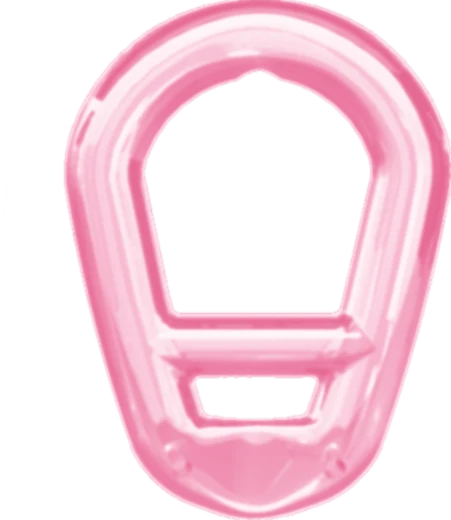
    A horseshoe-shaped splint for the postoperative period, sized directly from the mould study.

  3. 03

    C-POP

    Two Queensland urogynaecologists asked if we could make a traditional ring pessary in the same glass finish to support their pro bono work overseas. While we made that happen, we realised how little innovation there had been in the space and set about designing a new conservative pessary, anatomically shaped and aimed at facilitating patient self-management.

  4. 04

    ISO 13485 certified

    Certified quality management, with plans to expand into new regions.

Products

Two ranges.
Shaped by anatomy.

Vaginal pessaries that act as internal splints for the pelvic floor, for women with symptomatic pelvic organ prolapse.

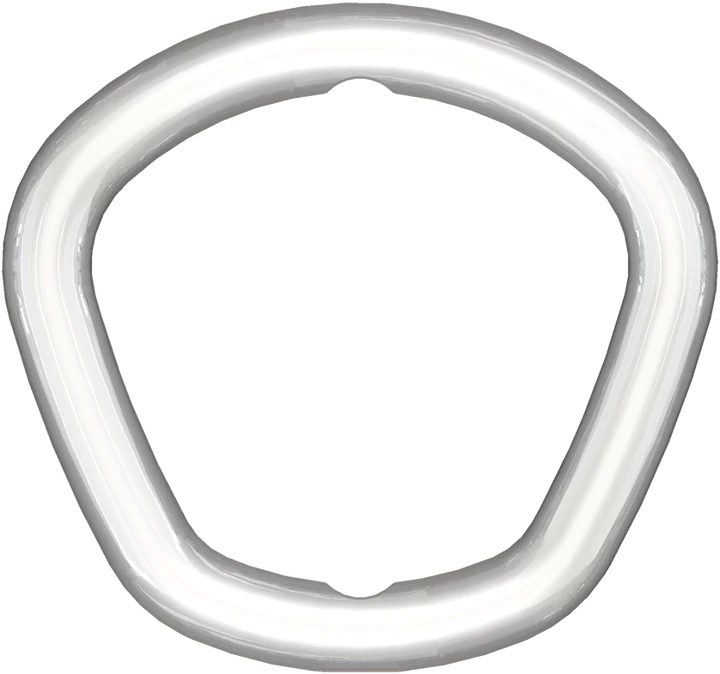
C-POP irregular hexagon pessary

For self care

C-POP

Conservative Pelvic Organ Pessary

An internal splint that supports the pelvic organs and prevents their descent. Once fitted by a clinician, it is removed and cleaned frequently by the patient, helping maintain mucosal health and disrupt biofilm formation.

Shape
Anatomical irregular hexagon
Indication
Conservative management of pelvic organ prolapse
Care
Fitted by a clinician, then self-managed by the patient
Sizes
5
Size chart
CodeSizeLengthWidth
CPOP-0653 · Extra small60 mm65 mm
CPOP-0704 · Small65 mm70 mm
CPOP-0755 · Medium70 mm75 mm
CPOP-0806 · Large75 mm80 mm
CPOP-0857 · Extra large80 mm85 mm
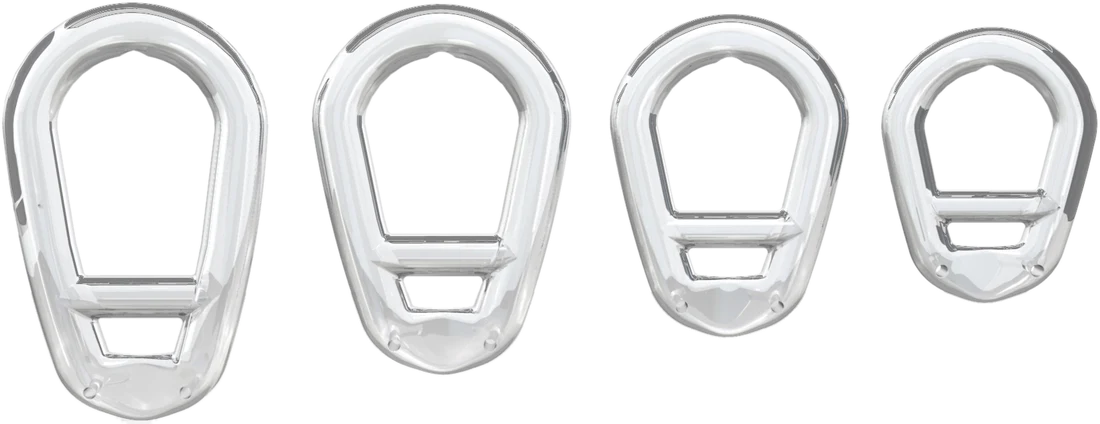
S-POP pessary in four sizes

For post-surgical support

S-POP

Surgical Pelvic Organ Pessary

A temporary internal splint placed at the end of pelvic floor surgery. It supports the vagina and surrounding fascia and reduces load on suture lines and grafts through the 28-day proliferative phase of healing.

Shape
Anatomical horseshoe
Indication
Immediately following pelvic organ surgery
Care
Placed by the surgeon, removed by a clinician at the four-week postoperative review
Sizes
4
Size chart
CodeSizeLengthWidth
SPOP-058Extra small58 mm45 mm
SPOP-068Small68 mm50 mm
SPOP-078Medium78 mm54 mm
SPOP-088Large88 mm55 mm

Research

Evidence and publications.

Four published studies relate directly to the C-POP and S-POP.

  • C-POP

    2025 · International Urogynecology Journal

    Silicone irregular hexagon pessary versus polyvinyl chloride ring pessary for pelvic organ prolapse: randomised controlled trial

    Yong C, Dune T, Shaya R, Cornish A, McKenzie D, Carey M

    A randomised controlled trial of 104 women comparing the C‑POP with a PVC ring pessary. Continued use at 6 months was similar (65.1% and 68.1%), and women using the C‑POP were more likely to manage their own pessary care.

    Read the study
  • C-POP

    2023 · Australian and New Zealand Continence Journal

    Pessary management for pelvic organ prolapse: a review of clinical practice and Australian medical device regulations

    Franks Z, Krause HG

    A review of pessary practice and TGA device classification. It recommends that classification be considered in Australian training and guidelines, and discussed with each patient offered pessary management.

    Read the study
  • S-POP

    2023 · International Urogynecology Journal

    Laparoscopic and robot-assisted suture versus mesh hysteropexy: a retrospective comparison

    Gopinath D, Yong C, Harding-Forrester S, McIntyre F, McKenzie D, Carey M

    A retrospective cohort of 228 consecutive women who underwent uterine re-suspension, with the S‑POP used routinely after surgery. The study reported a 95.8% objective success rate.

    Read the study
  • C-POPS-POP

    2020 · Australian and New Zealand Continence Journal

    An audit of vaginal support pessaries for pelvic organ prolapse in western Uganda

    Goh JTW et al.

    A clinical audit of 93 women with stage 3 or 4 prolapse at fistula and prolapse camps in Kasese, Uganda (S‑POP used off-label). Pessaries were well tolerated and accepted as a valid management option by women and local nurses.

    Read the study

For healthcare professionals. Gynaecologic pessaries are fitted and reviewed by a qualified clinician. Instructions for use and fitting guides are available through our distributor.

Contact

Ordering and enquiries.

Products are supplied exclusively through our distribution partner. For all order enquiries, contact Imedcare. For general enquiries, contact Gynaecologic directly.

Contact

Get in touch

Melbourne, Australia

Phone13000 OBGYN (1300 062 496)

Or send us a message

Authorised distributor

Innovative Medcare Technology

Australia & New Zealand

Phone1300 690 998
Emailinfo@imedcare.com.au
Websiteimedcare.com.au
Visit Imedcare